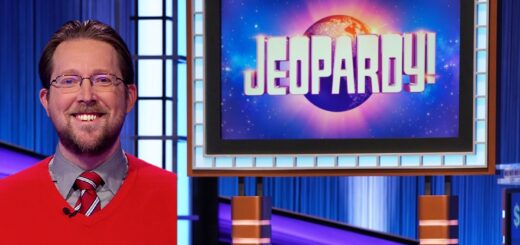
Who is Revell Carr from Jeopardy? Professor’s Age, Job, Family & More
James Revell Carr is a highly regarded Associate Professor of Ethnomusicology and Musicology at the University of Kentucky, where he has made significant contributions to the academic study of music and culture. As Director of the John Jacob Niles Center for American Music, Carr has focused much of his research on the intersection of music, culture, and history. His academic expertise spans a wide range of topics, including the impacts of travel and commerce on hybrid music and dance cultures, with particular interest in Anglo-American balladry, Hawaiian music, folk music revivals, and improvisational rock.
Dr. Carr’s academic endeavors aim to explore how music evolves and transforms across time and cultures, often driven by historical movements like trade and migration. His research has had a profound impact on the field of ethnomusicology, making him a prominent figure in the study of American music traditions.
Scholarly Contributions and Awards
Dr. Carr’s contributions to the field of ethnomusicology are widely recognized. In 2015, his book Hawaiian Music in Motion: Mariners, Missionaries, and Minstrels was co-awarded the Society for Ethnomusicology’s prestigious Alan P. Merriam Prize, a distinction given for outstanding ethnomusicology publications. The book is a cornerstone of his scholarly output, detailing the ways in which Hawaiian music developed through the influences of mariners, missionaries, and minstrels.
In addition to his book, Carr has written extensively, publishing articles in leading journals such as The Journal of American Folklore and The American Historical Review. His scholarly work spans a variety of topics, including essays on The Grateful Dead and their unique community, laying the foundation for his forthcoming book on the band. His scholarly contributions not only advance the field of ethnomusicology but also make him a central figure in the study of American music and its diverse cultural roots.
A Diverse Academic and Professional Background
Before taking on his current role at the University of Kentucky, James Revell Carr had a varied and dynamic academic career. He previously served as an Associate Professor at the University of North Carolina at Greensboro, where he established the UNCG Old Time Ensemble, fostering a deeper appreciation for folk music traditions among students and the community. This role highlighted his passion for engaging students with the practical and theoretical aspects of traditional music.
Carr’s career also includes a wealth of experience outside the classroom. He worked as an Interpretive Specialist Park Ranger at the San Francisco Maritime National Historical Park, where he helped visitors connect with the historical context of maritime culture through music and storytelling. His expertise also extends to museum work, having curated important exhibits at the Columbia River Maritime Museum in Oregon and contributed to the English Broadside Ballad Archive project, funded by the National Endowment for the Humanities.
Leadership in the Ethnomusicology Community
Carr has been an active and influential leader in the ethnomusicology community. From 2010 to 2011, he served as president of the Southeastern and Caribbean Chapter of the Society for Ethnomusicology, further establishing his influence within the academic community. He is currently the chair of the Historical Ethnomusicology Section of the same society, where he continues to contribute to the growth of the field.
In addition to his leadership roles, Dr. Carr is a regular presenter at both national and international conferences, including those hosted by the Society for American Music and the International Council for Traditional Music. These engagements allow him to share his research with scholars around the world and to contribute to global conversations about music, culture, and history.
A Rich Cultural and Academic Legacy
James Revell Carr’s work stands as a testament to his deep understanding of American music and its cultural evolution. His research not only documents the history of music and its transformation but also highlights the ways in which music serves as a vehicle for cultural exchange and social change. Through his books, articles, and leadership roles, Carr has established himself as a thought leader in ethnomusicology, with a focus on American music and its global connections.
Carr’s tenure at the University of Kentucky and his leadership of the John Jacob Niles Center for American Music provide a lasting influence on students, academics, and the broader community. His work continues to inspire new generations of scholars and musicians interested in exploring the rich, diverse history of music in America.
Conclusion: A Scholarly Legacy in American Music and Ethnomusicology
James Revell Carr is a leading figure in ethnomusicology, with a career marked by scholarly excellence and a commitment to understanding the cultural intersections that shape music. His contributions to the study of Hawaiian music, American folk traditions, and improvisational rock have left a significant mark on the field. Through his research, teaching, and leadership, Dr. Carr continues to shape the future of ethnomusicology while preserving and celebrating the diverse musical traditions that define American culture.