According to one obituary, in 1935 he owned 13 magazines, 8 radio stations, 2 movie companies & $56 million in Real Estate
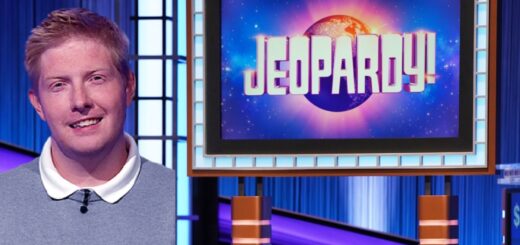
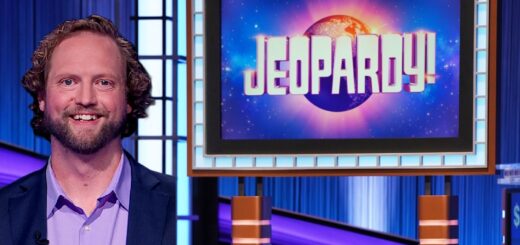
The Final Jeopardy clue for Friday, July 25, 2025, came from the category 20th Century Names and focused on a towering figure in American media history. The clue read: “According to one obituary, in 1935 he owned 13 magazines, 8 radio stations, 2 movie companies & $56 million in Real Estate.”
Contents
Who is William Randolph Hearst?
This question brought attention to one of the most influential and controversial media tycoons of the 20th century. William Randolph Hearst built a vast empire that spanned newspapers, magazines, radio, and film. His name became synonymous with sensationalist journalism, and his wealth and reach gave him a unique level of cultural and political influence during his lifetime.
William Randolph Hearst’s Expansive Media Empire
By 1935, William Randolph Hearst had already established himself as one of the most powerful media proprietors in the United States. At that time, his holdings included 13 magazines such as Cosmopolitan and Good Housekeeping, which were among the most widely read periodicals in the country. In radio, he controlled eight stations during a time when the medium was rapidly expanding and shaping public opinion.
Hearst also ventured into the motion picture industry, controlling two movie companies and developing strong ties to Hollywood. These investments reflected his understanding of mass media’s evolving landscape and his ambition to dominate it. Additionally, he held an estimated $56 million in real estate, including the famous Hearst Castle in San Simeon, California. This level of ownership was remarkable during the Great Depression and speaks to the sheer scale of his wealth and ambition.
A Pioneer of Sensationalism and Yellow Journalism
Hearst’s influence was not limited to the volume of his assets. He played a central role in developing “yellow journalism,” a style characterized by eye-catching headlines, scandal-driven stories, and emotional appeal. His rivalry with Joseph Pulitzer and his role in pushing the United States toward the Spanish-American War through provocative coverage remain key examples of how powerful his newspapers were in shaping public sentiment.
While often criticized for blurring the lines between news and entertainment, Hearst nonetheless set the stage for the modern media landscape. His innovations in newspaper layout, use of illustrations, and focus on human-interest stories helped newspapers reach broader audiences and influenced generations of publishers.
From Politics to Pop Culture
William Randolph Hearst’s reach extended into politics as well. He served in the U.S. House of Representatives and ran for several other public offices, including Mayor and Governor of New York. Though never fully successful in his political ambitions, his newspapers often supported his views and candidates, raising concerns about conflicts of interest and media bias.
His larger-than-life persona and dramatic rise and fall became the inspiration for fictional characters, most notably Charles Foster Kane in Orson Welles’ Citizen Kane. While Hearst reportedly despised the film, its portrayal solidified his place in cultural history and remains a reference point for media power and its consequences.
A Legacy That Endures
William Randolph Hearst passed away in 1951, but his legacy continues through the Hearst Corporation, which remains a major player in publishing and media. His life, marked by ambition, innovation, and controversy, mirrors many of the ongoing conversations about media influence, ownership, and responsibility.
Friday’s Final Jeopardy clue brought attention to the scale of Hearst’s empire at its peak. It was a reminder of how one individual’s control over various forms of media can shape culture, politics, and public opinion—lessons that remain relevant in today’s information age.